
Beyond Silence
A note on Vygotsky

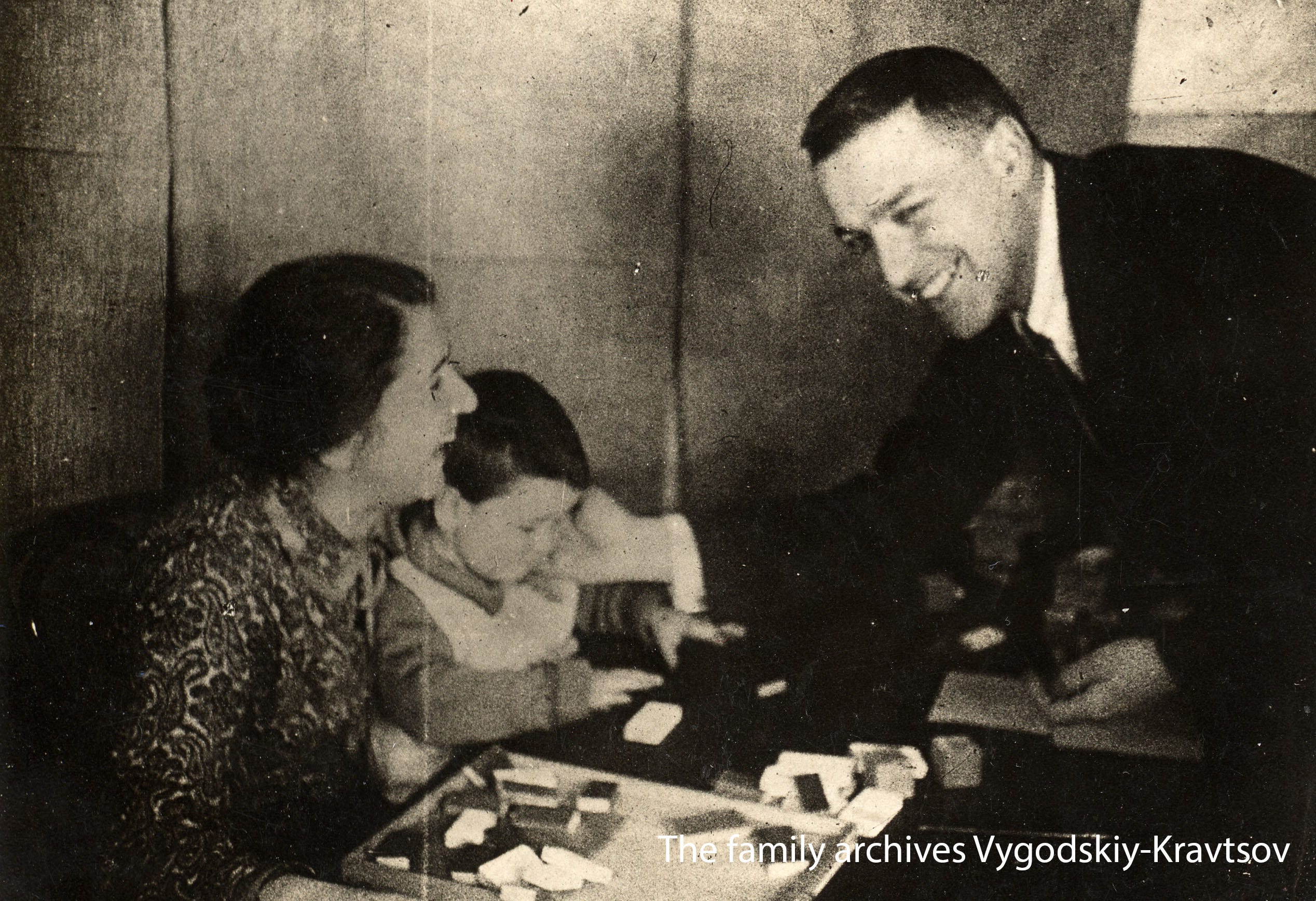
On June 11, 1934, Lev Vygotsky died in Moscow at the age of thirty-seven after a relapse of tuberculosis. In his final notebook entry he wrote:
“This is the final thing I have done in psychology — and I will, like Moses, die at the summit, having glimpsed the promised land but without setting foot on it. Farewell, dear creations. The rest is silence.”
A thinker standing at a summit, able to see the landscape ahead while knowing he will not walk through it himself. To my eyes, this note recognizes that something important had come into view, something whose fuller development would unfold only through those who follow. Many of us who encountered his work decades later are still finding our way to where he stood.
A psychology of becoming
Vygotsky worked at a moment of extraordinary intellectual and societal momentum, when fundamental questions about human nature, education, culture, and social transformation were being rethought together. At the heart of this rethinking was a dialectical commitment: understanding things in their movement, their inter-connection, and their contradiction. His work emerged from this broader effort to understand the human being as a historical and social becoming.
This orientation continues to give his work much of its force to this day. The mind, for Vygotsky, takes shape through relations among persons, activity, culture, and history. The person appears as a becoming that unfolds in and through social interaction, formed within relations rather than preceding them. Inner life embodies the traces of encounters with others along the way. Every higher psychological function, he argued, appears first between people and is later reorganized within the individual.
The interpersonal endures within the intrapersonal as its living history. This idea sounds abstract until you watch it happen. A child who cannot reach a piece of fruit stretches out the hand, index finger extended. A caregiver, reading the situation, brings the fruit closer. After many repetitions, that outstretched finger becomes pointing, a symbol, born not inside the child but in the space between child and caregiver, gradually internalized. Language, thought, selfhood: all, in this view, follow the same path. From between to within.
A future-oriented science
His psychology is deeply future-oriented. Development concerns capacities still emerging, forms of life not yet fully realized, possibilities sustained within collective practice. A child participates in activities that exceed present mastery, and through guidance and shared action those potentialities gradually become part of their own repertoire.
Human beings live through what they are becoming. This is why Vygotsky’s approach to disability was so different from what came before. And much of what came after. He did not focus on what a child could not do in isolation. He focused on what became possible in interaction. The primary challenge, he argued, was not the biological condition itself, but the exclusion from social and cultural life that followed from it. The secondary difficulties, the ones that compound over development, are largely social in origin. And what is social in origin can, in principle, be socially transformed.
Why now
That is why Vygotsky still matters. He glimpsed a psychology equal to the relational and developmental nature of human life. Many of the conceptual and empirical tools needed to continue that work became available only later. The landscape he saw remains open.
And the questions he opened reach well beyond psychology. They concern how human beings become and come to understand themselves through others and how particular forms of social organization silently cultivate or erode the conditions of that becoming.
What Vygotsky really left us was a path leading beyond silence.